Asia Pacific
Explore Gallup's research.

New analysis from the World Risk Poll shows how disasters disproportionately affect low-income countries.

Gallup's 2026 "State of the World's Emotional Health" report finds social media matters less to wellbeing than people may assume and not in the ways they might expect.

Sixty-nine percent of Americans say the media have a lot of freedom, a record low and the first time the U.S. ranks below the OECD average.

Across 37 countries, AI optimism outweighs concern, even as adoption and trust vary widely and Western countries express high levels of worry.
Explore how social media use connects to emotional wellbeing, based on 扣扣传媒World Poll surveys of adults across 97 countries in 2026.

Global views of the UN's job performance are more positive than negative, with a median of 50% across 137 countries approving and 26% disapproving.
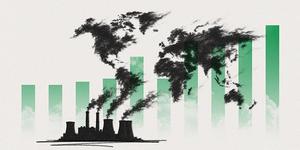
Data from the World Risk Poll find that about half of the world's adult population is worried about air pollution.
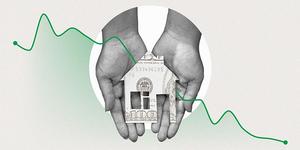
Over the past two decades, global satisfaction with the availability of local housing has become untethered from people's ability to afford it.

Despite recent progress, "The State of Food Security and Nutrition in the World" report shows both hunger and food insecurity remain above pre-pandemic levels and uneven across regions.

The World Risk Poll finds that one in 10 Americans name politics as the top risk to daily safety, with no other country rating it as a greater risk.
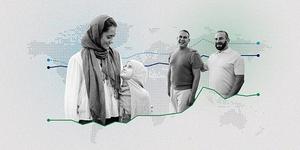
More adults worldwide say their community is a good place for minority groups than they did 20 years ago, and these perceptions are linked to people's broader outlook on life.
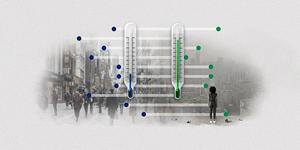
World Risk Poll data show most adults in high-income countries worry about climate change but underestimate how many others in their country do as well.

Two decades of trends show that more people today think their communities are good places for gay and lesbian people, but divides remain.

Worldwide, more people today are satisfied with their freedom to choose what they do with their lives than were satisfied two decades ago.

Thailand's employee engagement has more than doubled over the past decade, one of the top five largest increases anywhere in the world.

Global confidence in key national institutions is at its highest point in the past two decades.
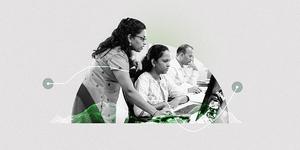
India's employee engagement hit a four-year low in 2025, costing the economy $351B in lost workplace productivity, nearly 9% of the country's GDP.
The earthquake that hit Nepal on April 25 devastated a fragile country that was already vulnerable from a combination of a high population density, poverty, old and poorly constructed buildings and extensive corruption.

Unlike older U.S. adults, younger Americans have grown more negative about their local job prospects in recent years, a trend not seen in most economies worldwide.

Of three aspects of workplace wellbeing measured globally, enjoyment in daily work is tied to the largest increases in how workers evaluate their lives.